The NCAA chose a ridiculous time period of one week.
Within 24 hours of approving a rule change allowing student-athletes and athletic department officials to bet only on professional sports, more than 30 people were involved in a major sports betting and gambling scheme. The level of sophistication alleged in one 22-page indictment reads like an Ocean’s Eleven script, with four New York Mafia families, current NBA players and head coaches all allegedly involved.
For NBA Commissioner Adam Silver, the news and arrest are a public relations nightmare.
But for the NCAA, this is a warning.
More than 35 states have legalized sports betting since a 2018 Supreme Court ruling paved the way for it, so it’s understandable that the industry no longer feels dirty. But the organization that oversees more than 500,000 young athletes must remember that nothing will cleanse the industry.
A century ago, the Black Sox scandal nearly wiped out American baseball. 100 years later, it turns out that 16 professional tennis players, including the US Open champion, were located in Russia and Italy. Meanwhile, Pete “Charlie Hustle” Rose was banned for life as a manager for betting on baseball games, and NBA umpire Tim Donaghy was arrested for betting on games. Last year, former NBA player Jontay Porter was found to have placed several bets on games using someone else’s account. We call him “ex” because the league banned him for life.
So if you think NCAA officials are too onerous to enforce the current gambling ban (they’re investigating multiple violations across multiple schools), just imagine what life inside the organization would be like without some kind of deterrent.
In fact, no imagination is required. Read the indictment filed by the United States District Court for the Eastern District of New York. The FBI alleges the gambling scheme began in 2019, was carried out in 11 states, and involved crime families dating back more than a century.
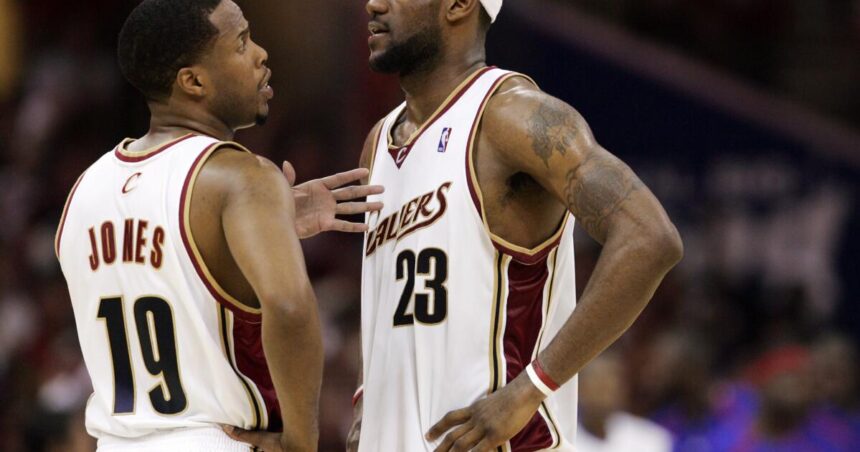
The technology used to steal tens of millions of dollars from victims during rigged poker games included hidden cameras, programmable card shuffling machines, and X-ray tables, according to documents. Those allegedly involved in the scheme included Chauncey Billups, Hall of Fame player and head coach of the Portland Trail Blazers. Authorities said Billups, who led the Detroit Pistons to a championship in 2004, used his celebrity to lure victims. Additionally, the FBI announced that former Lakers player and assistant coach Damon Jones shared inside information about LeBron James’ health in 2023 with Betters. Current NBA player Terry Rozier, who has a $100 million contract, was also arrested.
Let’s think about it here. Approximately 40,000 young men and women play NCAA basketball, and approximately 8,000 head coaches and assistant coaches lead their teams. How confident are you that March Madness wouldn’t take on a different meaning if coaches and players were allowed to bet on games and found themselves underwater?A recent study found that internet searches for help with gambling addiction increased by 23% from 2018 to June 2024.
And while that’s true, the new rules prohibit student-athletes and coaches from betting on college sports, so there are some guardrails in place against match-fixing, but tilting the outcome is just one of the possible harms of gambling. The International Tennis Federation announced that it had discovered that angry gamblers were targeting players and that some of the threats were credible enough to be submitted to the FBI. And there’s already evidence that non-athlete college students gamble, with 14% of 18- to 22-year-olds in the U.S. betting at least several times a week.
A further 16% use bookmakers.
Again, bookmakers.
This feels like a tragedy for everyone to see.
And when the Mafia is said to be using professional athletes and X-ray machines to steal from card players who should know better, are we to believe that the NCAA is equipped to protect student-athletes from predators? The human brain’s decision-making process is not fully developed until the age of 25. The NCAA just recently voted to allow 18-year-olds with “name, image and likeness” money to enter deep water with sharks.
Given what happened this week in the NBA, the responsible move for the NCAA would be to pause the rule changes scheduled to take effect Nov. 1 and reevaluate the risks. Losing a professional athlete’s career is a different matter for sports gambling. It’s even worse to see addiction and debt take away a young person’s future before it even begins.
YouTube: