The long ordeal of the Amazonian tribe Kashyana, who were transported by land and air during Brazil’s military dictatorship in the 1960s, came to a happy end at the COP30 summit in the city of Belem.
On the sidelines of United Nations climate change talks that concluded over the weekend, Brazil formally recognized a vast expanse of virgin rainforest, roughly the size of El Salvador, hundreds of miles west of Belém in the state of Pará, the original territory of the Casuyana.
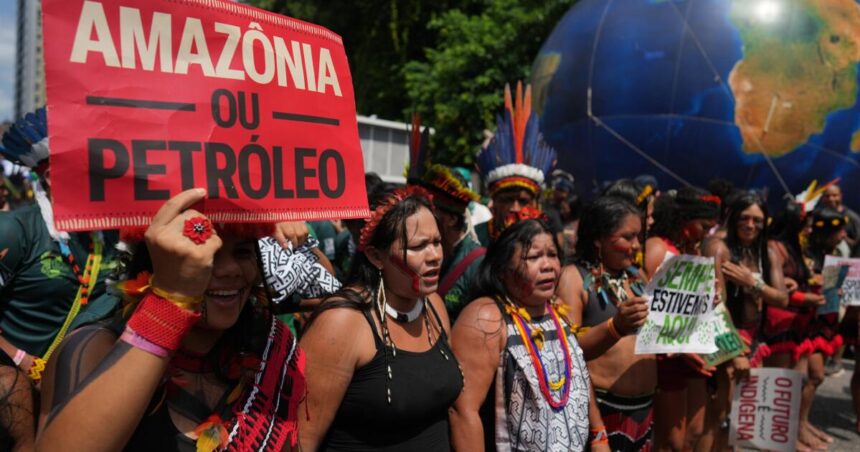
This was not the only victory for indigenous peoples at COP30, as they received unprecedented attention at the conference, staged multiple protests, and adorned participants with the Kayapo art of body painting. According to the Brazilian government, around 3,000 indigenous people gathered in Belém for the event, and more than 400 delegates from 361 different ethnic groups participated in COP30.
Many indigenous leaders complained that they were excluded from formal negotiations, and proposals for economies to wean from fossil fuels and halt deforestation, which had indigenous support, were left out of the final agreement. But at the end of the summit, supporters are likely to point to official recognition of the role of indigenous stewardship in forest protection, $1.8 billion in loan commitments, and newly designated territories.
Hindu Omar Ibrahim, Chair of the United Nations Permanent Forum on Indigenous Issues, said: “The international community increasingly understands that areas managed by indigenous peoples are the most effective at conserving biodiversity and sustaining carbon sinks.”
At least three official documents emerging from the summit mention indigenous peoples. The “Global Mutirão” document recognizes their “land rights and traditional knowledge.” The text of the mitigation work program emphasizes the “important role of indigenous peoples and local communities” in sustainably managing forests, and calls for recognition of indigenous land rights as part of long-term climate policy. The Just Transition document refers to the “rights and protection of indigenous peoples in voluntary isolation and initial contact”.
David Kaimowicz, Amazon Basin Coordinator at Tenure Facility, a nonprofit organization that supports indigenous peoples and local communities, said this is the first time the COP has recognized indigenous land rights and forest management as important climate mitigation policies.
But there was also criticism. Emil Guaringa, from the Kichwa tribe of Sarayaku, Ecuador and a member of the International Indigenous Forum on Climate Change, said grouping indigenous peoples as “communities” risks creating legal confusion over land rights.
He said the term has no international definition and varies from country to country, leaving loopholes that non-Indigenous groups can exploit to assert property rights within Indigenous territories.
COP30 also saw progress in direct financing. The United Kingdom, Germany, Norway, and the Netherlands, along with Ford, Rockefeller, the Skoll Foundation, and other organizations, have pledged $1.8 billion by 2030 to the Forest and Land Tenure Pledge. The fund supports projects aimed at securing land rights, financing conservation and restoration, and strengthening local institutions in indigenous and Afro-descendant territories across Latin America, Africa and Asia.
(Supporters of this pledge include the Protecting Our Planet Challenge; one of its members is Bloomberg Philanthropies, the philanthropic arm of Michael Bloomberg, founder and majority owner of Bloomberg News’ parent company.)
Dinamam Tusa, secretary general of the Brazilian Council of Indigenous Peoples, said these funds would now go directly to indigenous organizations, bypassing intermediaries.
The creation of the Casuyana Tunayana land and three other indigenous territories in Brazil was announced on Tuesday at a packed ceremony led by Brazil’s Minister of Indigenous Peoples, Sonia Guajajara.
Kashyana’s journey began in 1968. After measles and other diseases nearly wiped out the population, the Brazilian military relocated 48 survivors to religious settlements dozens of miles away from their original territory in the Trombetas River Valley, paving the way for hydroelectric and mining projects.
In the early 2000s, as the population grew, the group decided to return and began the long process of reclaiming their land.
At a large march in Belém on November 15, tribal members held banners demanding recognition. Two days later, President Luiz Inácio Lula da Silva signed a decree designating their lands as also home to nine other ethnic groups, including two that remain uncontacted.
At the ceremony, many in the audience shed tears. “It was very emotional because the elders who were taken away were also there,” Indigenous leader Angela Kashyana said. “It took so many years that we couldn’t believe this moment had come. It happened here in the COP, in the Amazon, in the state of Pará. We are overjoyed.”
Maison Nave reported to Bloomberg. Vanessa Dezem contributed to this report.