Chain stores have Black Friday. Online marketplaces have Cyber Monday. For local businesses, it’s Small Business Saturday.
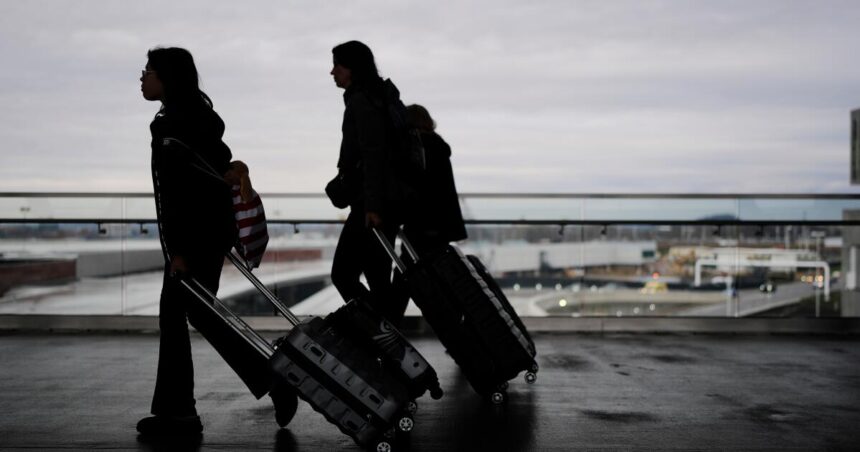
Over the past two decades, more sectors of the retail industry have started competing for their own slice of the holiday shopping season. The travel industry has firmly joined this trend with another post-Thanksgiving sale: Travel Tuesday.
On the same day as Giving Tuesday for nonprofits around the world, airlines, hotels, cruise lines, travel booking platforms and tour operators get in on the annual spending spirit by promoting one-day deals. Consumer advocates say that while there are legitimate savings, they can also be fooled by marketing that conveys a false sense of crisis.
“People see ‘40% off’ and assume it’s a once-in-a-lifetime steal, without realizing that the underlying price may have been inflated or that the same itinerary was cheaper last month,” said Sally French, travel expert at personal finance site Nerd Wallet.
She and other experienced travelers advised consumers who want to know if they can save money by booking a trip with Travel Tuesday to do their research and pay close attention to the details.
Lindsey Schwimmer, a consumer expert at online travel site Hopper, advises people looking to score last-minute deals over Christmas and New Years to double-check blackout dates and other restrictions.
French says it’s also wise to be aware of non-refundable fares, resort fees, double occupancy requirements and upgrade terms that may be hidden behind advertised discounts.
Mr French said shoppers should be wary of travel packages that include extra transportation or extra perks. Some companies are using statement credits, extra points, amenities or additional bundles as a way to lure potential customers in exchange for lower fares or room rates, she said.
“Many travel brands want to keep their sticker prices high to maintain a sense of luxury, but they still need to fill planes, ships and hotel rooms,” French said. “Add-on perks are the workaround.”
Consumer experts say consumers who are prepared, not impulsive, and on the lookout for upsells are in a much better position to spot the real deals. Knowing how much a particular trip typically costs and comparing purchases can help uncover offers based on inflated underlying costs or whether the same itinerary would have been cheaper at other times, they said.
“Compare prices, check your calendar, and make sure the trip you’re booking is one you really want and not one you bought under pressure from a countdown timer,” says French. “The trick is that your best bet may be not to book anything if it doesn’t fit with your plans.”
Travel Tuesday was born based on existing industry trends. In 2017, Hopper analyzed historical price data and found that in each of the past nine years, the day with the biggest post-Thanksgiving travel discounts was the day after Cyber Monday.
The site named the day Travel Tuesday. The number of offers within that period and the number of travelers looking for them have since expanded.
“Last year, there were nearly three times as many trips planned for Travel Tuesday as there were for Black Friday,” Schwimmer said. “We continue to see year-on-year growth as more travel brands and categories offer deals.”
The event’s origins coincide with the National Retail Federation’s coining of Cyber Monday in 2005 as a response to the emerging e-commerce era. American Express created Small Business Saturday in 2010 to drive buyers and their funds to smaller retailers, credit card fees, and more.
Last year’s report said travel bookings tend to be slow in November and December, making Travel Tuesday a “marketing moment” that could lead to increased revenue.
Citing data provided by travel marketing platform Sojourn, the report’s authors write that U.S. travelers booked hotels, cruises, and flights significantly more on Travel Tuesday 2023 than in the two weeks before and after.
Although Travel Tuesday has so far been limited primarily to the United States and Canada, “European travel companies anticipate that Travel Tuesday could become a growing phenomenon in their region, given that other shopping days such as Black Friday and Cyber Monday have spread beyond North America,” the report said.
Vivek Pandya, principal insights analyst at Adobe Analytics, which tracks online spending, said consumers have more tools than ever this holiday season to help them determine whether a transaction will stand up to scrutiny.
“Social journeys, influencers offering promo codes and value, and generative AI platforms that take everything from prices, social conversations, and reviews to give guidance to consumers. This is a dynamic kind of journey that consumers are taking that is very different from previous seasons,” Pandya said.
Both he and French emphasized that prices go up and down based on multiple factors, and that the winter holidays are not the only major promotional period of the year.
“Dozens of consumers are on ‘vacation’ right now,” French said. “Amazon alone continues to add new versions of Prime Day, which means if you don’t buy on Travel Tuesday, you’re not missing out on the moment.”
Lewis writes for The Associated Press.