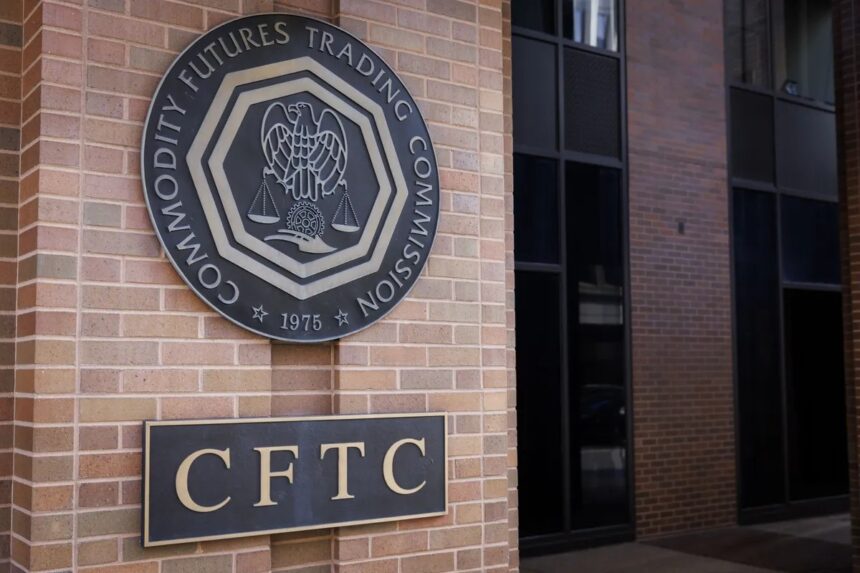
The CFTC announced the launch of a pilot crypto program for digital assets such as Bitcoin and stablecoins used as collateral in derivatives markets. The agency also revised its guidance on tokenized collateral following the enactment of the GENIUS Act, rescinding “outdated requirements.”
Commodity Futures Trading Commission Acting Chair Caroline D. Pham announced the pilot program on Monday, shortly after markets closed. “This year, under my leadership, the CFTC has led the way into a golden age of American innovation and cryptocurrencies. Given recent customer losses at non-U.S. crypto exchanges, this obligation has never been more important. Americans deserve a secure U.S. market as an alternative to offshore platforms, which is why last week I announced that spot cryptocurrencies can now be traded on CFTC-registered exchanges,” Pham said. “Today, I am launching the U.S. Digital Asset Pilot Program for tokenized collateral, including Bitcoin and Ether, in our derivatives markets, establishing clear guardrails to protect customer assets and providing enhanced CFTC oversight and reporting.”
He went on to explain the revisions to existing guidance and regulations for derivatives markets, which have previously been strict against cryptocurrencies. “The CFTC is also clarifying regulations through tokenized collateral guidance for real-world assets like U.S. Treasuries, and reversing obsolete CFTC requirements under the GENIUS Act. As we have said previously, embracing responsible innovation will ensure that U.S. markets are world leaders and will drive progress that unlocks U.S. economic growth as market participants can safely use their funds wisely and deploy capital to move forward.”
Details on the program, latest guidance and crypto industry reaction

The guidance emphasizes that the CFTC’s regulations are technology-neutral and encourages independent analysis of tokenized assets in accordance with the CFTC’s existing regulatory framework and corporate policies and procedures. This guidance applies to tokenized RWAs, including U.S. Treasury securities and money market funds. Additionally, the CFTC also issued a no-action position with respect to certain requirements applicable to futures trading merchants (FCMs) that accept non-securities digital assets, including clearing stablecoins, as customer margin collateral or hold certain proprietary clearing stablecoins in segregated customer accounts.
Coinbase Chief Legal Officer Paul Grewal, who has been vocal about government regulation of cryptocurrencies, praised the CFTC’s decision. “The CFTC’s decision confirms what the crypto industry has known for years: stablecoins and digital assets make payments faster, cheaper, and less risky,” he said in a statement. “We commend Acting Chair Caroline Pham and the CFTC for quickly recognizing that tokenized innovation is the future of finance, and we thank Acting Chair Caroline Pham for her leadership and vision. This major unlock is exactly what the Administration and Congress intended to enable with the GENIUS Act, allowing digital innovation to transform and improve traditional areas of finance.”
The CFTC’s Crypto Pilot Program is effective immediately.